Tito's Bunker - ARK D-0
Profile
The Armijska Ratna Komanda D-0, also known as the Ark or Tito’s bunker, is a Cold War-era nuclear bunker and military command center located near the town of Konjic in Bosnia and Herzegovina. Designed to protect Yugoslav President Josip Broz Tito and up to 350 members of his inner circle in the event of a nuclear conflict, the structure includes residential areas, conference rooms, offices, strategic planning rooms, and various other facilities. The bunker remained a state secret until the 1990s, after the breakup of Yugoslavia.
History In 1953, amid rising Cold War tensions, President Tito directed the Yugoslav People’s Army (JNA) to begin construction of the ARK bunker. The facility was designed to serve as a center of military operations and a shelter for the Supreme Command staff, Tito, his family, and close associates. The construction and existence of the bunker were highly classified, remaining a closely guarded secret until the 1990s.
The construction of the ARK was completed in 1979 after 26 years and a cost of US$4.6 billion (equivalent to $19.9 billion today). The facility was handed over to a JNA detachment of 16 military personnel, tasked with maintaining the structure in case of emergency. After Tito’s death in 1980, the bunker was put on standby but maintained for potential use. In March 1992, during the Yugoslav wars, the JNA attempted to demolish the bunker to prevent it from falling into the hands of the Bosnian government. However, two soldiers sabotaged the plan by disabling the explosives, and the facility was later surrendered to the Bosnian government. During the Bosnian War, it was used as a supply base, providing medical supplies to the Republic of Bosnia and Herzegovina.
Construction Built between 1953 and 1979 inside Zlatar Hill at the southern foothills of Bjelašnica Mountain, the ARK is the largest nuclear shelter and one of the largest underground facilities ever constructed in the former Yugoslavia. For over a decade after its completion, it remained the country’s most secretive military installation. All workers were carefully vetted and required to sign confidentiality agreements, and all staff members held the highest security clearances.
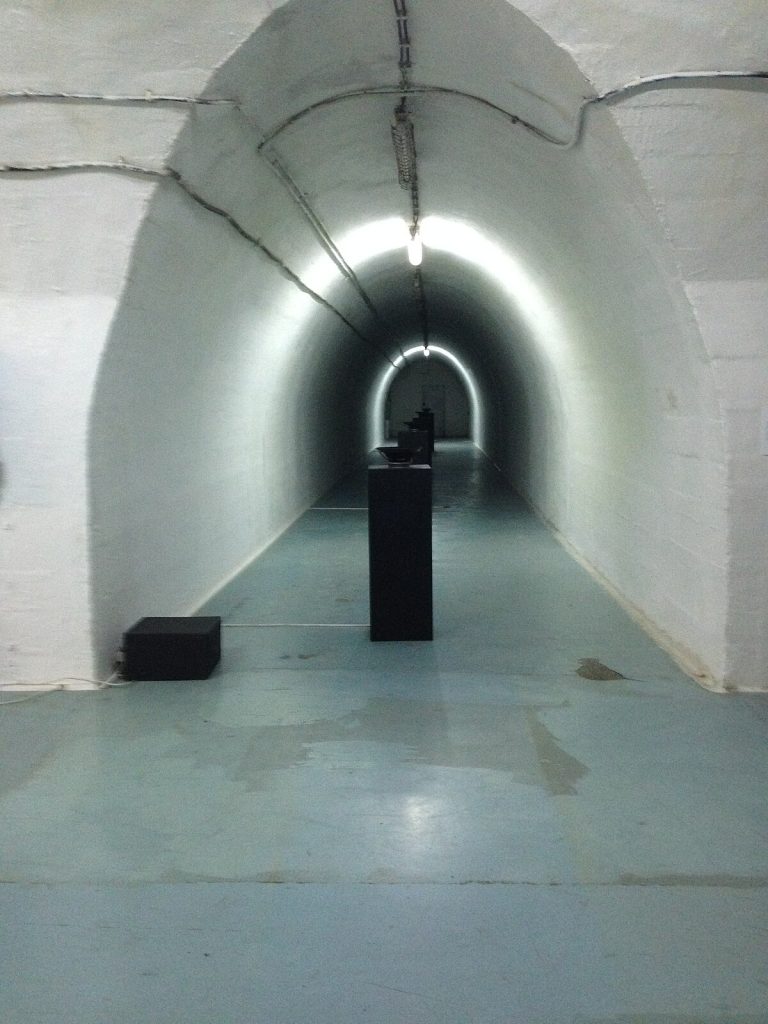
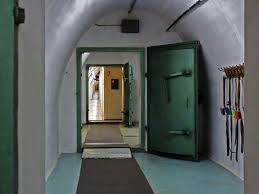
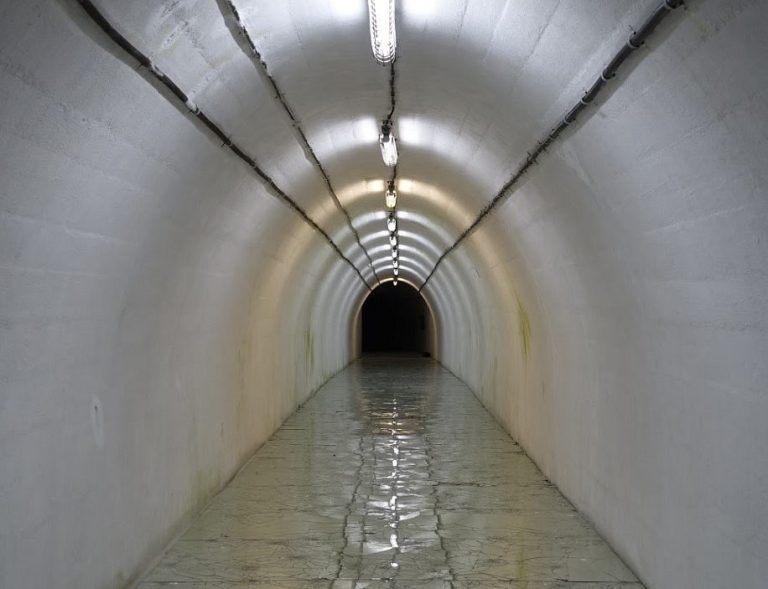
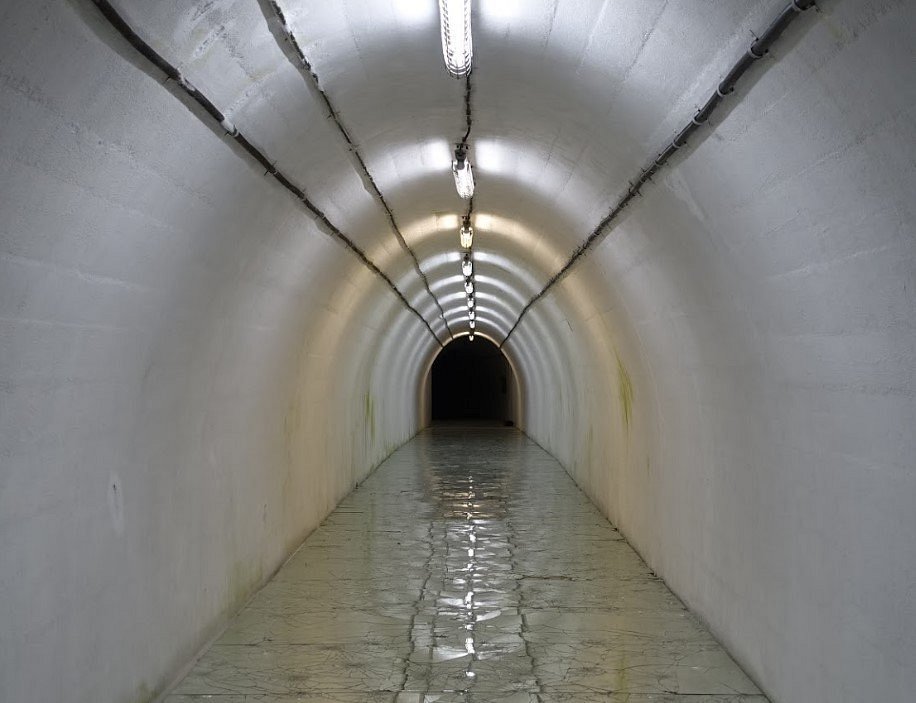
The bunker is hidden behind three nondescript houses located along the Neretva River, which concealed the entrances to the underground facility. These houses included a control residence, a building for secure communications, and a support facility for technical personnel. A tunnel, protected by three 1.2-meter-thick metal doors, leads to the main shelter, which is 280 meters deep and 202 meters long.
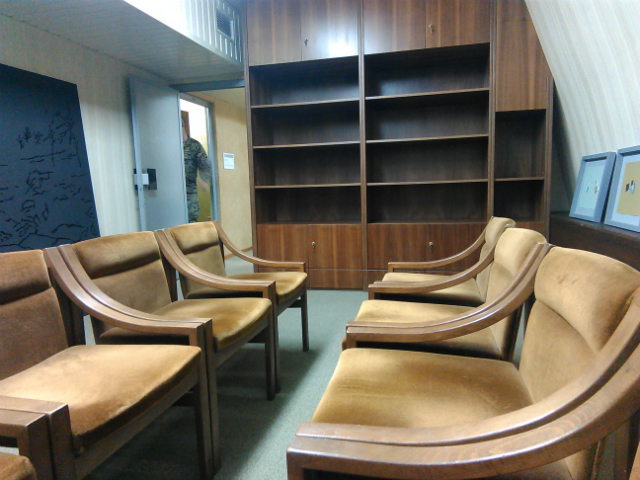
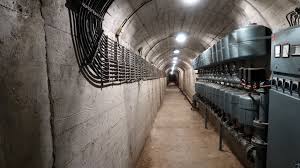
The bunker’s design features a horseshoe-shaped structure capable of withstanding a 20-kiloton nuclear blast, divided into 12 interconnected blocks. The most critical areas include communication, Tito’s quarters, air filtration, fuel storage, and water storage. The facility was designed to house up to 350 people for up to six months, covering an area of 6,854 square meters with over 100 rooms, including dormitories, conference rooms, operation centers, a hospital, and Tito’s personal residence. The complex also includes systems for oil storage, water supply, climate control, and backup power.
Present Today, the bunker is under the control of the Bosnian Ministry of Defense, maintained by the country’s military, and guarded by a small detachment of soldiers. It is preserved as a symbol of the Socialist Yugoslav era. Many monuments from the former Yugoslavia were destroyed during the wars of the 1990s, making the ARK a unique cultural site, with its artistic and historical significance preserved.
ARK D-0 Underground Contemporary Art Biennial Project The ARK now serves as a venue for the ARK D-0 Underground Contemporary Art Biennial Project, a gathering point for artists from around the world. The biennial aims to transform the site into a prominent cultural institution, preserving the heritage of the structure while creating artistic value and fostering connections among creative people in the region. In 2011, the Council of Europe recognized the event as a Cultural Event of Europe, with strong support from UNESCO. The first edition of the biennial attracted 44 artists and over 15,000 visitors. The project has continued with subsequent editions held every two years, concluding with the fifth edition in 2019. Over fifty works of art remain as permanent exhibits within the facility.
Map
Sorry, no records were found. Please adjust your search criteria and try again.
Sorry, unable to load the Maps API.